Wireless Smart Locks vs. Wired Access Control: Retrofit Options for Older DFW Buildings
An older commercial building without existing low-voltage wiring at every door presents a real dilemma for adding access control. Running new wire to every opening is expensive and disruptive, especially in a finished space with hard ceilings or historic construction. Wireless smart locks Dallas building owners are increasingly choosing solve exactly this problem. But they’re not automatically the right answer for every door.
This guide compares wireless and wired access control. It also helps DFW building owners figure out which doors need which approach.
How Wireless Smart Locks Actually Work
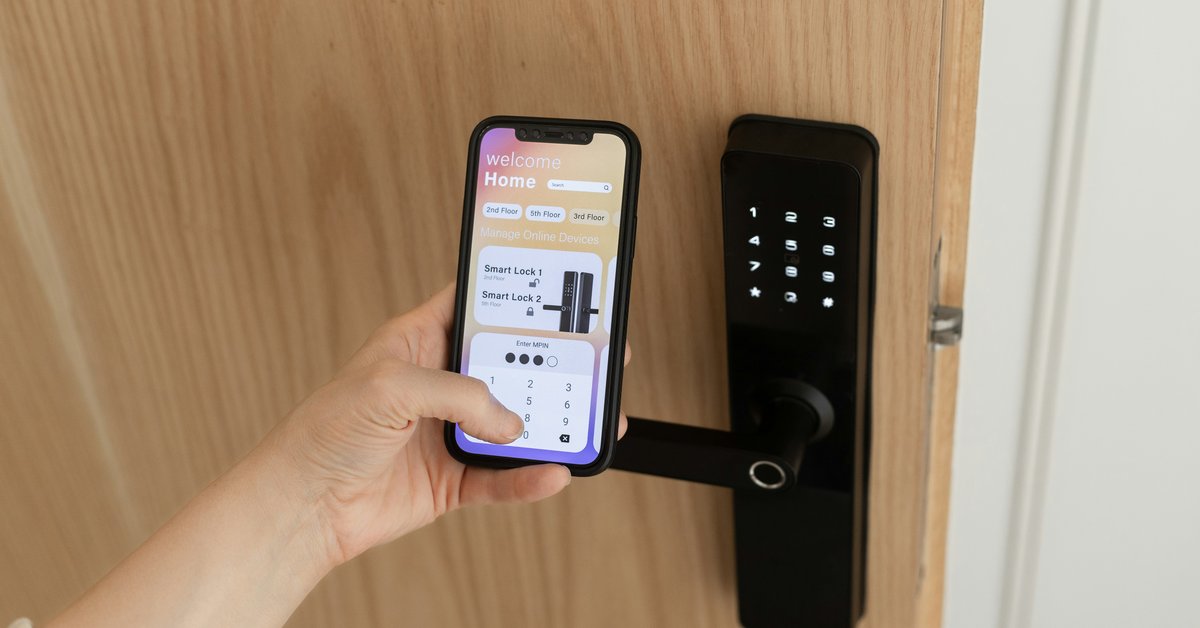
A wireless smart lock replaces the entire lockset at a door. The credential reader, lock mechanism, and communication radio all build into a single unit powered by batteries, rather than a hardwired connection. The lock communicates with the access control platform over Wi-Fi, Bluetooth, or a dedicated low-power wireless protocol. This eliminates the need to run cable back to a control panel. Installation typically takes a fraction of the time a wired reader requires, since there’s no conduit or cable pull involved.
Modern wireless locks integrate with major cloud access control platforms, rather than operating as standalone devices. Brivo and other leading platforms support wireless lock integration directly. A building can mix wireless and wired doors on the same management system.
Where Wireless Smart Locks Make Sense
Wireless locks fit well at interior doors with moderate traffic and no existing wiring. Think individual offices, storage rooms, conference rooms, or secondary entrances in a building where running new cable would mean tearing into finished walls or ceilings. They also suit multi-tenant buildings adding access control to individual suites after initial construction. Retrofitting wired access to dozens of separate tenant spaces is far more disruptive than installing wireless locks door by door.
Battery Life and Maintenance Considerations
Battery-powered locks need periodic battery replacement, typically every six months to two years depending on usage and lock model. Most platforms provide low-battery alerts well before a lock actually fails. But a building without a maintenance process to act on those alerts risks a lock going offline unexpectedly. High-traffic doors drain batteries faster, which is one more reason wireless locks fit lower-traffic doors better than a building’s primary entrance.
Where Wired Access Control Still Wins
Main entrances, high-traffic doors, and any opening where reliability absolutely cannot depend on battery status still favor wired access control. A wired reader draws continuous power. It never faces the risk of a dead battery locking out or unlocking a door unexpectedly. Fire-rated doors and doors tied into life-safety systems also typically require wired configurations to meet code. Battery-dependent locks introduce a failure mode that fire and life-safety systems are specifically designed to avoid.
Mixing Wireless and Wired in the Same Building
Most practical DFW retrofit projects use both approaches within the same building. Crews wire the main entrance and other high-traffic or life-safety-critical doors conventionally. They add wireless locks at interior doors where running cable would be disproportionately expensive. This hybrid approach keeps costs proportional to each door’s actual security and traffic requirements. It avoids over-spending on wireless where wired makes more sense, or forcing an expensive full rewiring project where wireless would work perfectly well.
What This Looks Like on a Real DFW Retrofit
A historic office building in Dallas needed access control added to 40 individual office suites. The building’s construction made running new low-voltage wiring to every door prohibitively expensive, and it would have required disturbing protected architectural elements. The building’s main entrance and lobby doors received traditional wired readers. All 40 individual suite doors received wireless smart locks integrated into the same Avigilon Alta platform managing the wired doors. Total installation time and cost came in far below what a fully wired retrofit would have required, while giving every door the same centralized management and audit trail.
Questions to Ask Before Choosing Wireless Smart Locks Dallas Contractors Install
- Which doors are high-traffic or life-safety-critical enough to require wired reliability?
- Does the building have a maintenance process in place to respond to low-battery alerts on wireless locks?
- Can wireless and wired doors be managed on the same access control platform?
- What does running new wiring to each specific door actually cost, compared to a wireless retrofit?
The Bottom Line
Wireless smart locks Dallas building owners install solve a real retrofit problem for older buildings. But they work best as part of a mixed approach, rather than a wholesale replacement for wired access control. Matching the right lock type to each door’s actual traffic and reliability needs keeps a retrofit project both affordable and secure.
NTi Technologies designs mixed wireless and wired access control retrofits using Brivo and Avigilon Alta for older DFW buildings. Wireless smart locks Dallas building owners need most often complement, rather than replace, existing wired doors. Does your property in Plano, Frisco, McKinney, Allen, Las Colinas, or Irving need an access control retrofit? Contact us for a free consultation.
NTi Technologies is a Dallas-based business technology company serving businesses across the DFW metroplex, including Plano, Frisco, McKinney, Allen, Las Colinas, and beyond. We specialize in commercial access control, security camera systems, structured cabling, business phone systems, and audio-visual conferencing for offices, medical facilities, and corporate campuses.