Why Dallas Businesses Can’t Afford to Ignore Access Control Right Now
If you run a business in Dallas, the crime numbers are hard to ignore. As of late 2024, nearly 3,400 Dallas businesses had reported break-ins. Business robberies in the first half of that year were up 15 percent over the previous year. Additionally, Dallas reports approximately 585 commercial break-ins per 100,000 residents — a rate nearly double the Texas state average. The DFW Metroplex is one of the fastest-growing business markets in the country. With that growth comes an expanding target for commercial crime.
For many business owners, physical security feels like a back-burner issue. Operations, growth, and customer service take priority. However, that changes the morning you arrive to find a shattered door, missing equipment, or a compromised server room. That moment is too late. This is why more Dallas businesses are making access control a front-burner priority right now.
What Break-Ins Actually Cost Dallas Businesses
The visible damage from a commercial break-in is only part of the story. Broken glass, forced locks, and stolen equipment grab attention. The hidden costs hit harder and last longer.
Consider what a break-in actually triggers:
- Immediate loss of inventory, equipment, or cash
- Emergency repair costs for locks, doors, and hardware
- Lost productivity when your team can’t work in a compromised facility
- Potential exposure of sensitive client data or proprietary business information
- Compliance violations for businesses in healthcare, finance, or legal services — each carrying its own significant penalties
Beyond the financial hit, there’s the effect on your team. Employees who experience a workplace break-in often report lasting anxiety about returning to the office. Moreover, recruiting and retaining talent gets harder when staff don’t feel safe at work. For small and mid-sized Dallas businesses especially, those hidden costs can be devastating.
Why Physical Keys Leave Your Business Exposed
Most commercial break-ins don’t happen through sophisticated schemes. They happen because businesses make it easy — propped doors, shared access codes, unreturned keys from former employees, and no record of who was where and when.
Physical keys are the most common vulnerability. When an employee leaves your company, how confident are you that every key came back? When a contractor finishes a project, do you change the locks? When a master key goes missing, what’s your plan?
Rekeying a commercial facility is expensive and disruptive. More importantly, it doesn’t tell you what happened before the problem surfaced. You have no audit trail, no access log, and no way to know if someone made a copy.
How Access Control Closes the Gap
Access control eliminates these vulnerabilities directly. When an employee leaves your company, a technician deactivates their credential in seconds — from your phone, from anywhere. No locksmith. No rekeying. No security gap.
Furthermore, every entry attempt is logged automatically. You get a complete record of who entered, which door they used, and exactly when. That paper trail doesn’t exist with physical keys.
How Access Control Actively Deters Crime
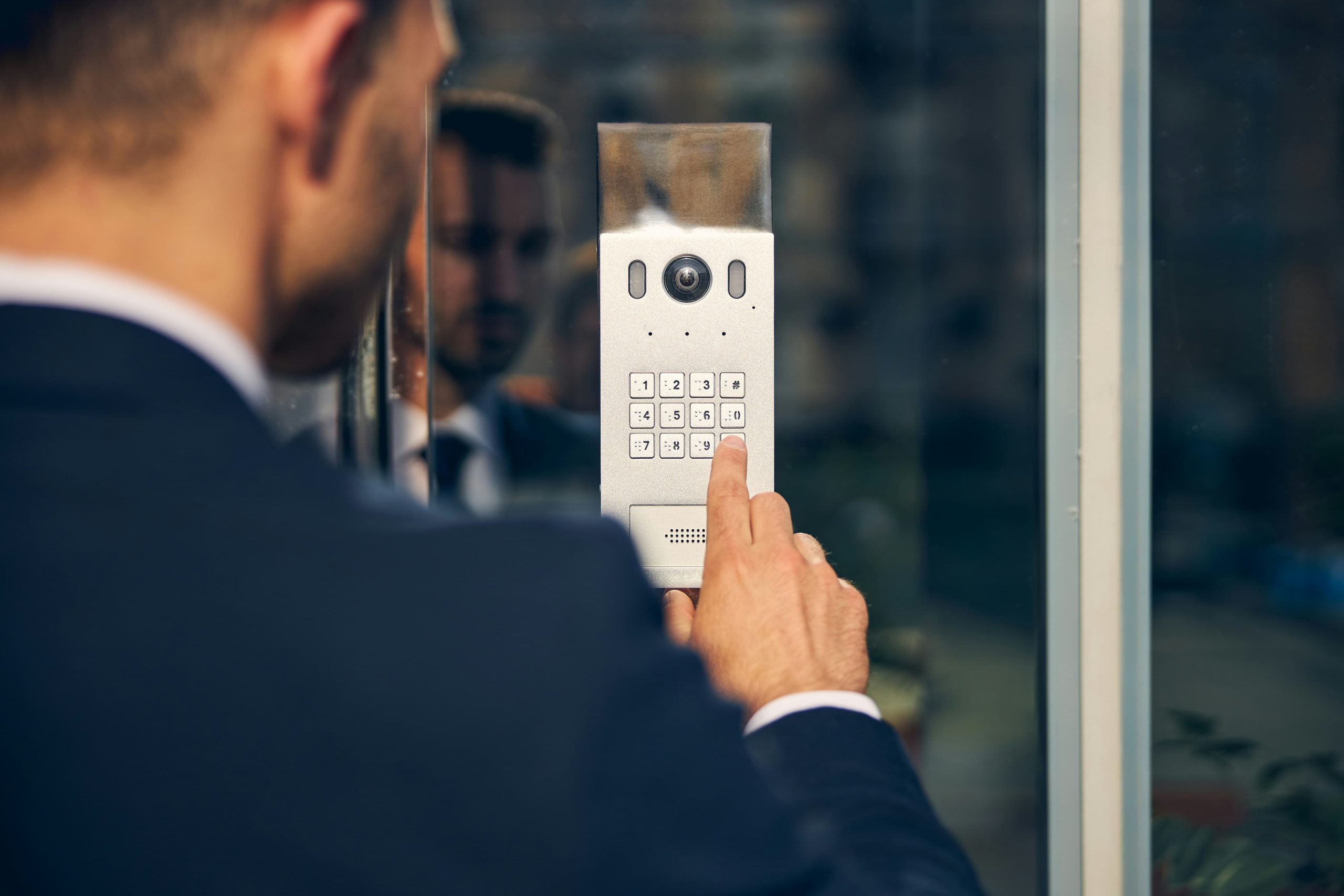
Access control doesn’t just respond to threats — it prevents them. Criminals assess targets before acting. A facility with visible keypad readers, credential-based entry, and integrated security cameras sends a clear signal. The building is monitored. Access is controlled. That signal alone redirects most opportunistic crime.
For after-hours threats, access control delivers something physical keys never can: a real-time alert. Modern cloud-managed systems notify you instantly when a door is accessed outside scheduled hours, when an unauthorized entry is attempted, or when a door is held open longer than expected. You don’t find out about a problem the next morning — you find out the moment it happens, while there’s still time to respond.
Integrated Video Documentation
Pairing access control with video surveillance compounds the deterrent effect. When an access event ties directly to a camera capture, you have documentation useful for law enforcement and insurance claims. Dallas businesses that integrate both systems consistently report stronger outcomes when incidents occur.
The Industries Most at Risk in DFW
Dallas commercial crime doesn’t hit every industry equally. Based on current DFW crime trends, the businesses most frequently targeted include:
- Retail stores and showrooms
- Medical and dental offices
- Legal and financial services firms
- Warehouses and distribution facilities
- Multi-tenant commercial buildings with shared entry points
What these businesses share is high foot traffic, valuable inventory or data, and — too often — outdated or non-existent access control. If your Dallas business falls into any of these categories, the question isn’t whether to invest in access control. It’s how quickly you can get it installed.
What to Do Next
NTi Technologies has been installing and supporting access control and security solutions for Dallas-Fort Worth businesses since 1987. We are a certified Brivo partner, which means we deploy one of the most trusted cloud-managed access control platforms available — giving your business real-time visibility and control over every entry point from any device, anywhere.
Every installation is performed by our own local DFW technicians — not subcontractors. We start with a free site assessment to identify your vulnerabilities, design a system that fits your facility and budget, and stand behind the work with 24/7 local support.
Dallas crime trends are not slowing down. Your access control system should already be in place. Contact NTi Technologies today to schedule your free review and quote.