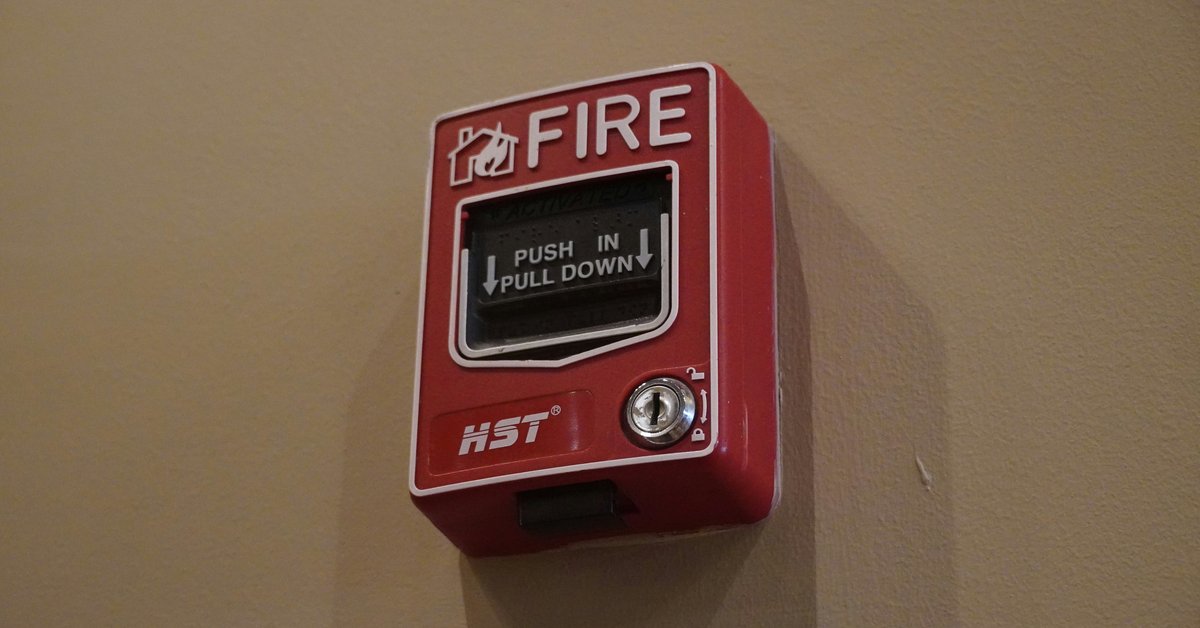
Fire Alarm Integration Dallas: What Life-Safety Code Requires From Your Access Control System
An access control system that keeps doors locked during a fire isn’t a security feature. It’s a life-safety violation waiting to be discovered during an inspection, or worse, during an actual emergency. Fire alarm integration Dallas buildings need isn’t optional wherever access control and life-safety systems share the same doors. Getting it wrong creates liability that goes well beyond a failed inspection.
This guide covers what fire alarm integration actually requires. It also covers where DFW buildings most commonly get it wrong.
Why Access Control and Fire Systems Must Work Together
Access control exists to keep unauthorized people out. Fire and life-safety code exists to make sure authorized people, and everyone else in the building, can get out quickly during an emergency. These two goals conflict directly at any door serving both purposes. Code resolves that conflict firmly in favor of life safety. When a fire alarm activates, doors on designated egress paths must unlock automatically, regardless of what the access control system’s normal rules say.
This isn’t a suggestion or a best practice. It’s a requirement under the International Building Code and NFPA 101. DFW jurisdictions enforce both through local fire marshal inspections.
How Fire Alarm Integration Actually Works
A properly integrated system connects the building’s fire alarm control panel directly to the access control system. A fire alarm activation sends a release signal to every door required to unlock on egress paths. This happens automatically and immediately. Nobody needs to manually override the access control system during an emergency when every second matters. The integration typically uses a dedicated relay or a certified interface module, rather than a workaround wired through unrelated equipment.
Fail-Safe vs. Fail-Secure Hardware
Door hardware on required egress paths generally needs to be fail-safe. That means it unlocks automatically if power is lost, rather than fail-secure, which stays locked without power. This distinction trips up a lot of retrofit projects. Fail-secure hardware might make sense from a pure security standpoint, but it violates code on an egress door. Confirm which hardware type is installed at every door. Don’t just assume it’s correct, especially on any access control project touching egress paths.
Where DFW Buildings Commonly Get This Wrong
The most common violation happens when a business adds access control to an existing door after initial construction, without looping in a fire alarm contractor to verify the integration still meets code. A door that was compliant when the building was built can become non-compliant the moment new access control hardware gets installed on top of it. This happens if that installation doesn’t include the fire alarm tie-in. Retrofits and tenant improvements are exactly when this gets missed. The access control installer and the fire alarm system may come from completely different vendors who never coordinate.
Access Control Vendors and Fire Alarm Coordination
Major access control platforms, including Brivo and Avigilon Alta, support fire alarm integration as a standard configuration option. But the integration still requires proper coordination between the access control installer and a licensed fire alarm contractor. A DFW business should confirm this coordination happens explicitly during any project. Don’t assume the access control installer alone handles fire code compliance.
What This Looks Like on a Real DFW Project
A multi-tenant office building in McKinney added card access to several interior doors during a tenant improvement project, without involving the building’s fire alarm contractor in the process. A routine fire marshal inspection flagged the new doors as non-compliant. They used fail-secure hardware with no tie-in to the fire alarm panel. The building had to retrofit the doors with fail-safe hardware and proper fire alarm integration before receiving a passing inspection. Proper coordination during the original installation would have avoided this expensive correction entirely.
Questions to Ask Before Adding Access Control to Egress Doors
- Has a licensed fire alarm contractor confirmed the integration between access control and the fire alarm panel?
- Is the door hardware fail-safe on required egress paths, not fail-secure?
- Does the access control installer coordinate directly with the fire alarm vendor, or do they operate independently?
- Has the local fire marshal reviewed the installation before it’s considered complete?
The Bottom Line
Fire alarm integration Dallas buildings need is a code requirement, not an optional security enhancement, at any door where access control and life-safety egress paths overlap. Coordinating access control installation with a licensed fire alarm contractor from the start prevents an expensive and potentially dangerous compliance gap.
NTi Technologies coordinates access control installations using Brivo and Avigilon Alta with proper fire alarm integration for DFW buildings. Fire alarm integration Dallas jurisdictions enforce isn’t optional at egress doors. Is your business in Plano, Frisco, McKinney, Allen, Las Colinas, or Irving adding access control to egress doors? Contact us for a free consultation.
NTi Technologies is a Dallas-based business technology company serving businesses across the DFW metroplex, including Plano, Frisco, McKinney, Allen, Las Colinas, and beyond. We specialize in commercial access control, security camera systems, structured cabling, business phone systems, and audio-visual conferencing for offices, medical facilities, and corporate campuses.